Archives: all-projects

all-projects werden im Portfolio angezeigt.

Green Loop

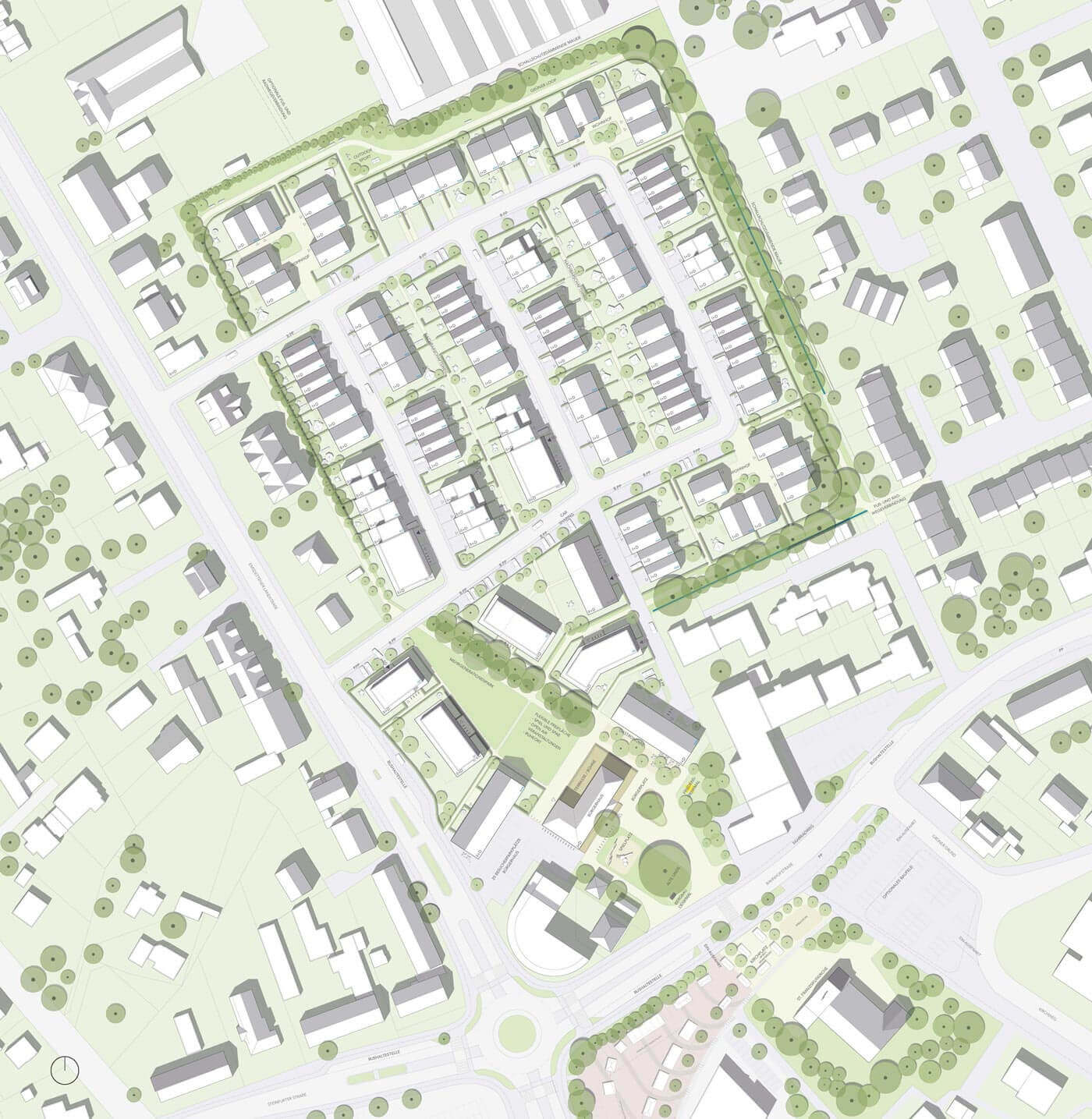
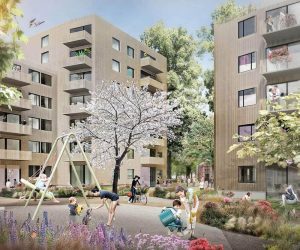
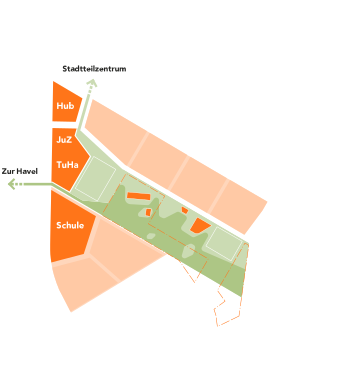
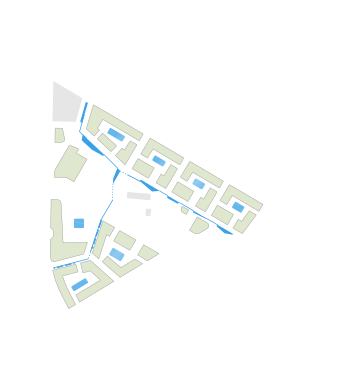
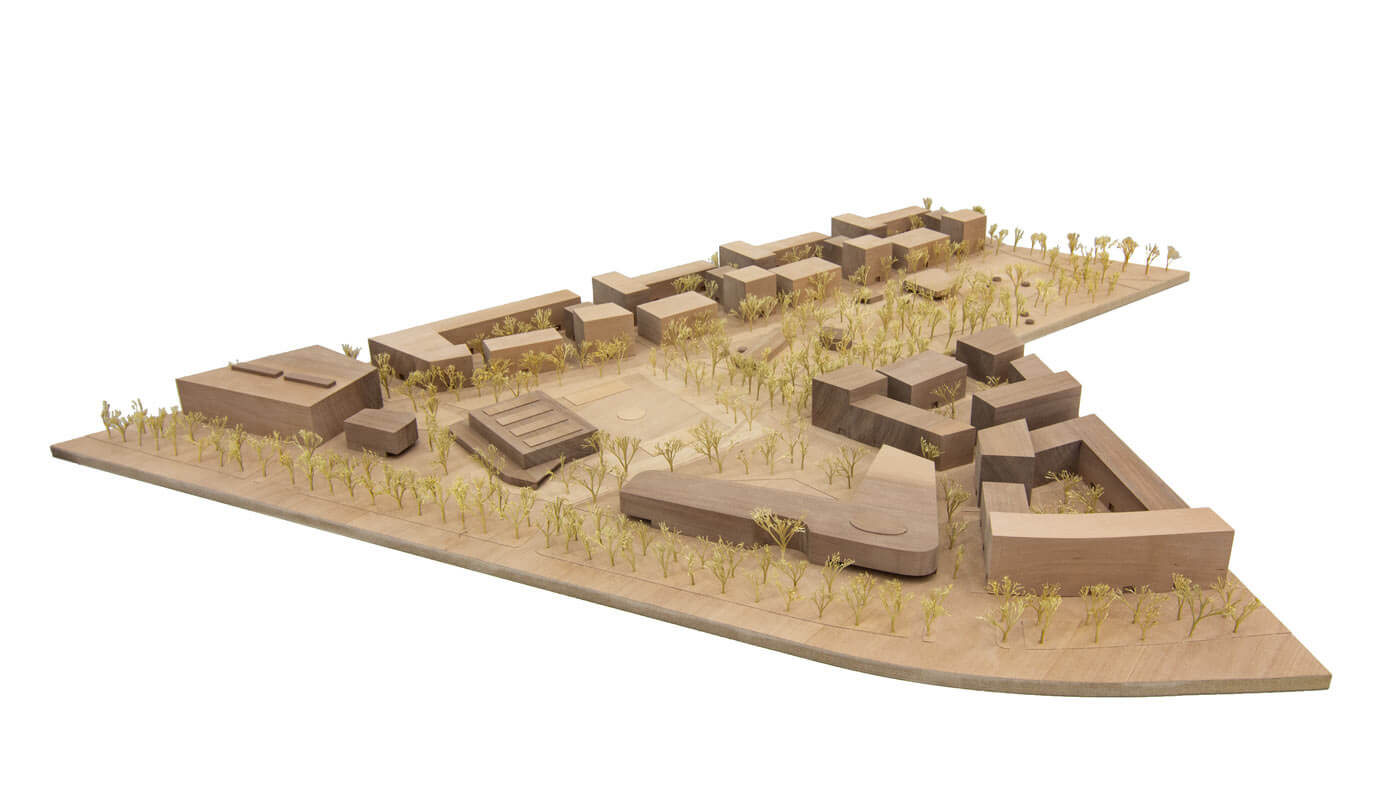
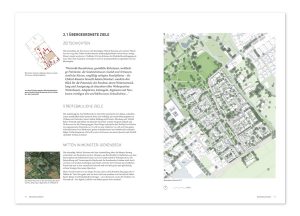
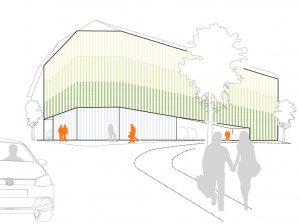
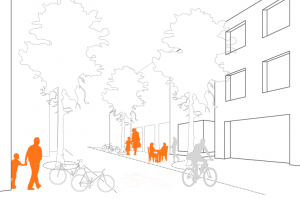
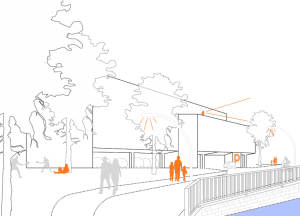
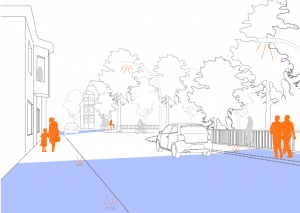
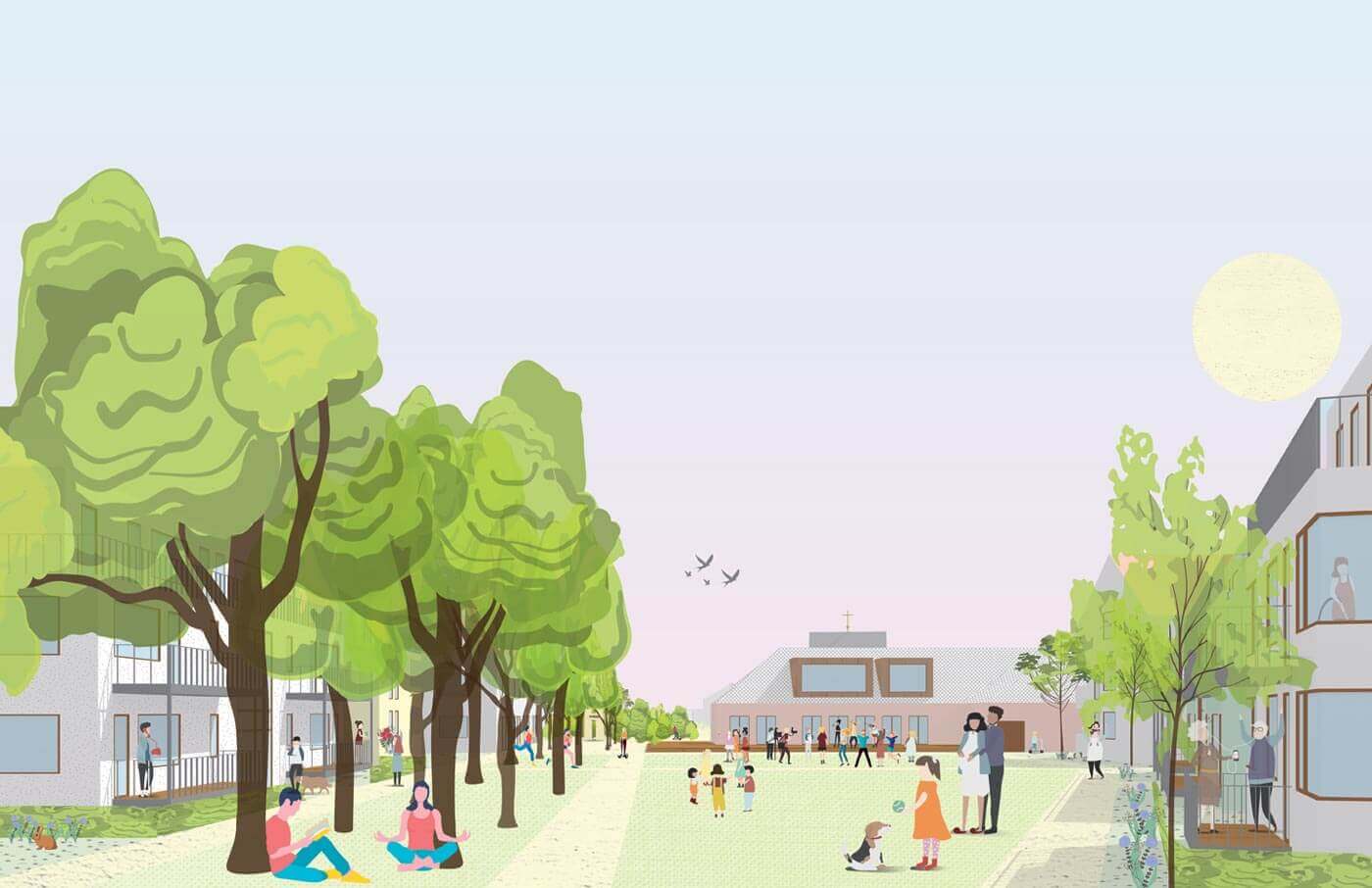
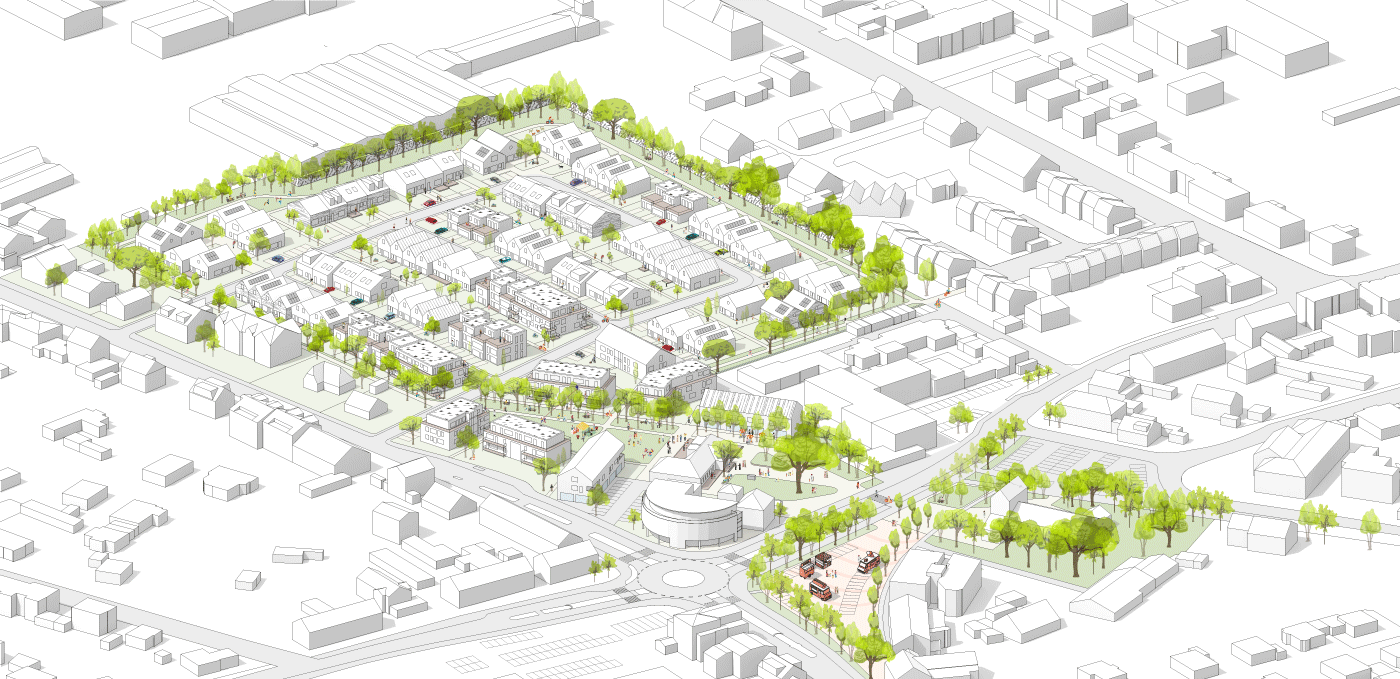
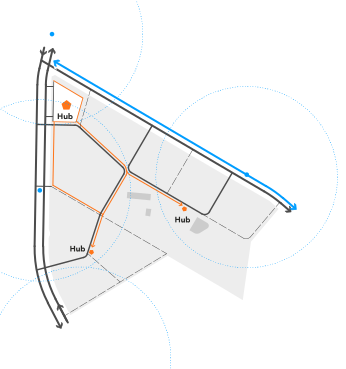
The centrally located old school building is transformed into a new Community Centre which forms the public front to the multigenerational park. This is where the Loop begins and ends, a ring-shaped green corridor that accommodates the existing row of trees, gives space to athletes and flâneurs and links the quarter to the few possible existing paths. The Community Centre and St. Franziskuskirche stand opposite each other along an axis. Together with the multigenerational park, the church square and the square in front of the former School it form a sequence of open spaces, addresses and quality of stay – creating space for a lively quarter.

The former school and sports grounds are embedded between an industrial estate and private properties and are almost hermetically enclosed on three sides. All possible existing connection points are activated by the surrounding green loop and enable a necessary minimum of circulation. The rear location is broken up at the open southern entrance with the multi-generation park. Here the paths meet exactly at the old school building, which forms the centre of the neighbourhood as a source of identity. The old school building is of great architectural value and is very much appreciated by the local inhabitants. The conversion into a community centre can therefore be easily approved.

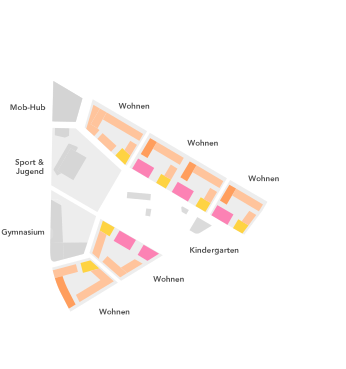
The new quarter offers a wide range of housing for all stages of life, a mixture of different typologies from more urban situations (rows and small town villas), terraced houses to courtyards with partly spacious gardens. Many apartment buildings have the privilege of direct access to the park.


Competition


Program: community centre with surrounding neighbourhood  4.6 ha

Location: Reckenfeld, Greven (GER)

Year: 2019

Client: City of Greven,

Team: Therese Granberg, Anna Beckmann, Daniel Heuermann


related projects
Conversion School Area Meerbusch-Osterath
 

Meerbusch – Osterath
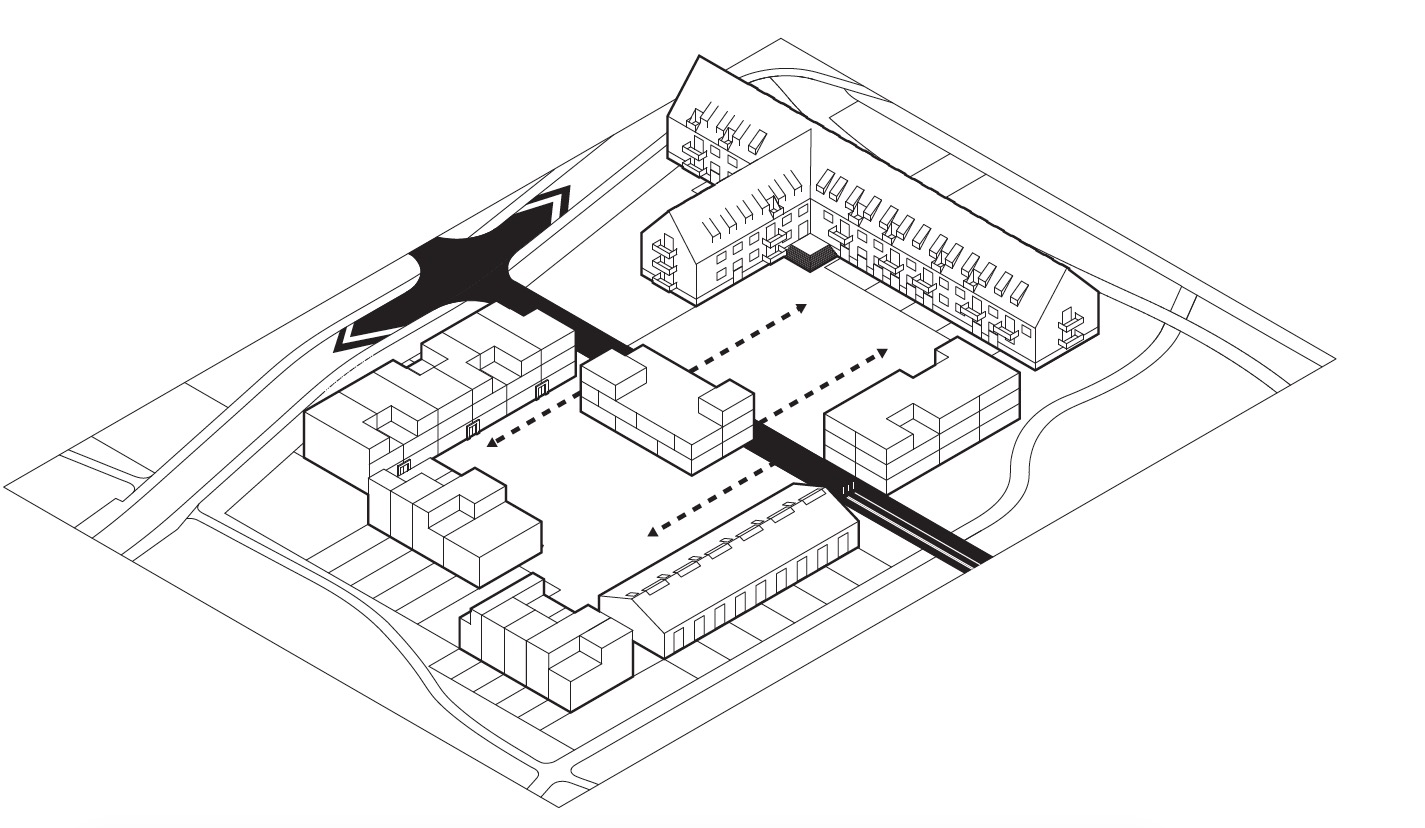
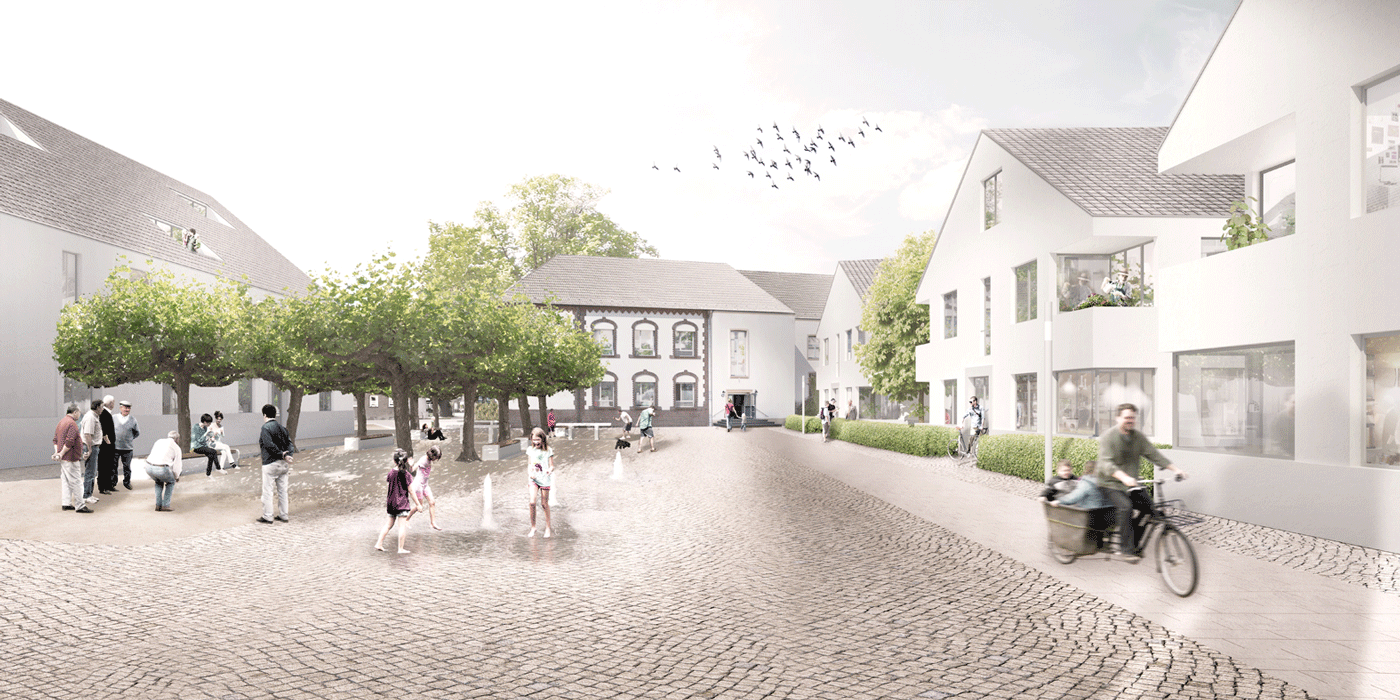
An ensemble of town houses complements the existing buildings and forms a network of important links reaching out and connecting to the surrounding town. At the central crossroad, a local square, flanked by old plane trees, becomes a new meeting point north of the city centre. Residential areas with gardens combined with communal space form a high quality living quarter.
The former schoolyard of the Barbara-Gerretz-School becomes the new central square at the intersection of two pedestrian main roads. From here it is possible to quickly reach neighbouring areas in all four directions: the town centre and church in the south, schools and kindergartens in the west, city park and railway station in the east and neighbouring residential areas in the north.

As a result of the planning, larger contiguous building plots, situated on the northern edge of the area, can be developed efficiently. The urban villas react to the irregular layout of the plot and the demarcation of the different development stages. They enable a diversity of ground plan solutions. The buildings can be constructed step by step according to the different phases of the project.


Masterplan Conversion, Competition, 1st price


Program: 120 apartments, 3,4 ha

Location: Meerbusch-Osterath, GER

Year: 2016 – 2018

Client: Stadt Meerbusch

Team: Therese Granberg, Joachim Schultz-Granberg, Martin Dennemark, Daniel Heuermann

Partner: bbz landschaftsarchitekten berlin


phase 1

phase 2

phase 3

Schnitt, Blickrichtung Norden


section, view to the North


related projects
Oxford Barracks


Domhof

Logo Vreden

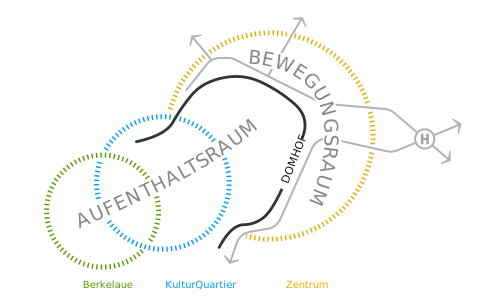
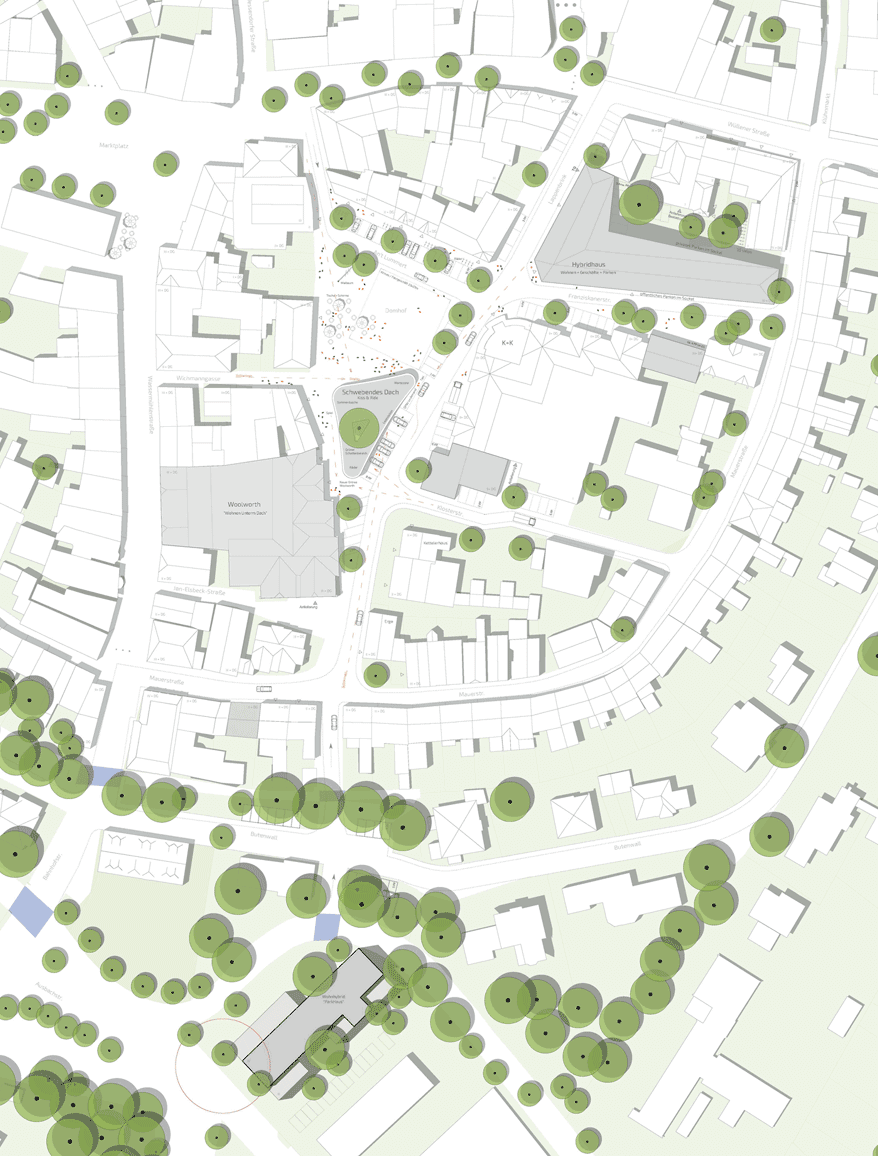
Analysis of traffic flows in the inner city shows that the city centre is reached via four city entrances. However, the south-western inner city, which coincides with the original nucleus of the city, has significantly higher residential qualities compared to the adjoining area with its high accumulation of traffic. The Dome Square is located at the interface of both spaces forming an articulated meeting point for the area.

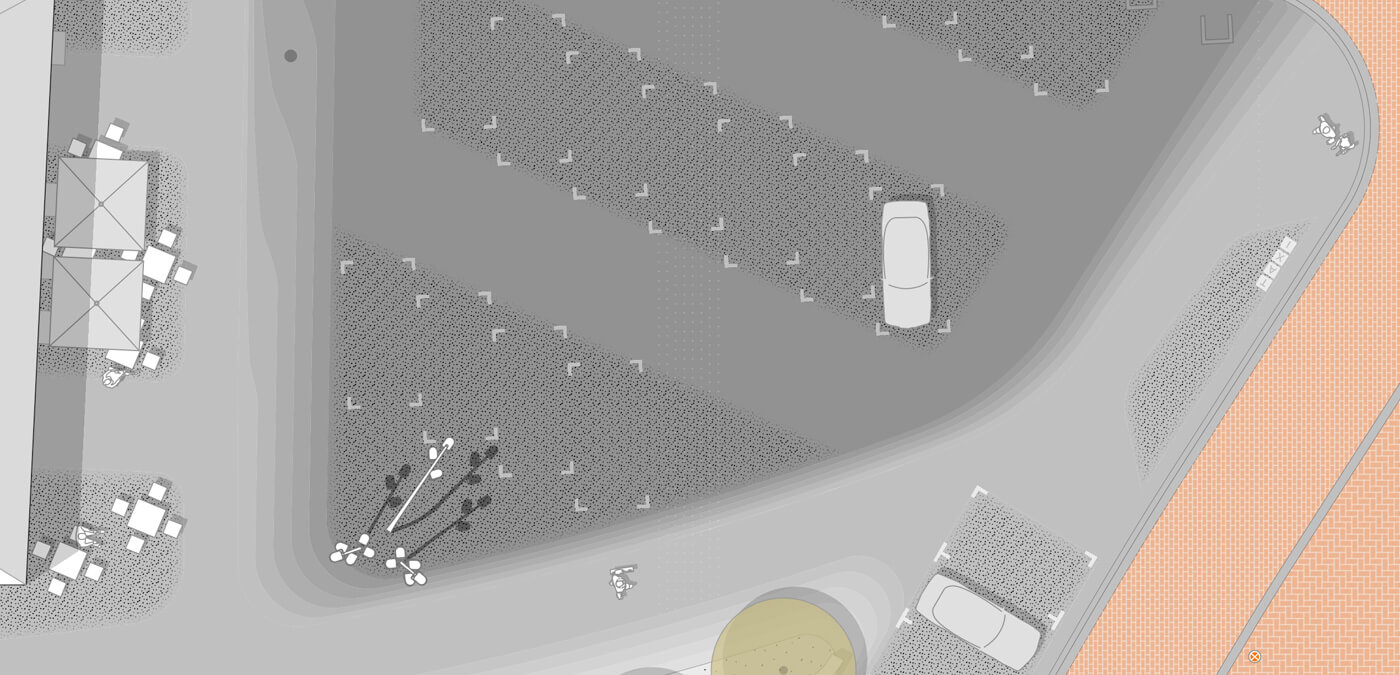
From this perspective, the Dome Square functions as a place with infrastructural capacities for all types of traffic. It’s a place for orientation, a car park with a direct connection to the centre, sometimes it hosts events, and at the same time it’s used as meeting point or waiting area for a taxi. All in all, it is a flexible “all-rounder” that meets the needs of residents and visitors alike.

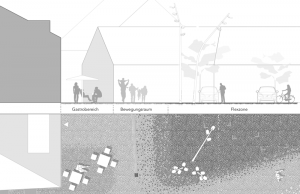
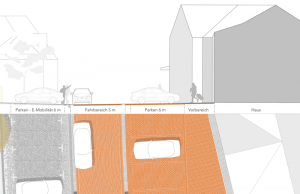
A narrow stone-set paving in different shades of grey and different level of roughness divides walkways, parking lots and other type of uses into different zones. In the central area, an unsealed tree island allows passers-by to take a rest in a pleasant and shady place. Seating options with integrated equipment (e.g. WLAN, bicycle pump and electric charging stations for pedelecs and cars) invite to linger.


Public space design


Program: Redesign of the Dome Square as a flexibly usable place, 7000 sqm

Location: Vreden, DE

Year: 2017 – 2019

Client: City of Vreden

Team: Joachim Schultz-Granberg, Therese Granberg, Tobias Birkefeld, Daniel Heuermann


Lageplan Domhof Vreden

Square

Car Lane


related projects

The city of ‘ANDS’ Master plan Vreden


Bezahlbar. Gut. Wohnen

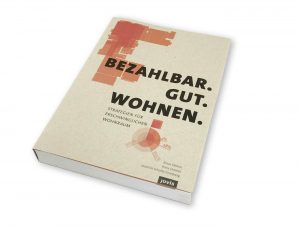
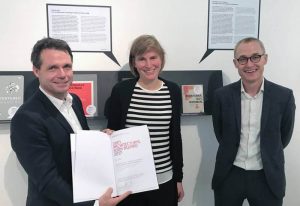
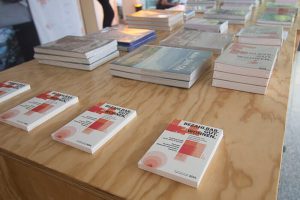
The extended German edition of Affordable Living (first published in 2014) was published by Jovis in 2016 with the title: Bezahlbar. Gut. Wohnen. – Strategien für erschwinglichen Wohnraum. In 2017, a second extended edition followed which was awarded the DAM Architectural Book Award of the Deutsches Architektur Museum in Frankfurt.

Providing adequate and affordable living space for all is a core social obligation. The cost of housing is rising faster than income, and not only in sought-after locations. Parts of the population are displaced. Affordable housing is often equated with cheap construction and clichés such as small windows, poor materials or monotonous multi-storey apartment blocks.

The book addresses the question of how strategies for affordable housing can also drive innovation. New processes of planning and designing, new models for living and working together, unusual spatial strategies, more needs-oriented and flexible floor plans all have potential. The book features, among other things, the winners of the Hans Sauer Prize 2016, whose ground-breaking projects showcase significant social innovations, above all in the context of new client constellations.


Klaus Dömer, Hans Drexler, Joachim Schultz-Granberg: Bezahlbar. Gut. Wohnen.  Strategien für erschwinglichen Wohnraum, Jovis, Berlin 1st ed. 2016, 3rd ed. March 2022 >>


Titel Bezahlbar Gut Wohnen

DAM-Architectural-Book-Award

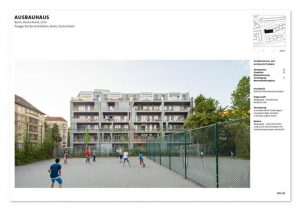
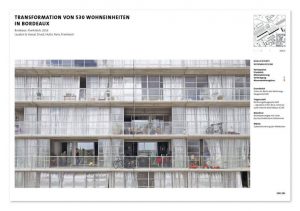
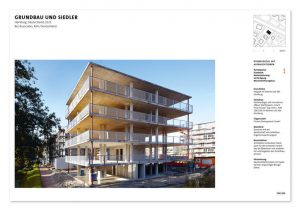
At the heart of the book is the systematic analysis of 17 trailblazing built projects, mainly located in Central Europe. The analysis of the projects follows an inductive approach, based on the evaluation of living qualities in relation to cost parameters, in a specially developed cost-benefit analysis. The criterion of affordability results from the comparison of the highly fluctuating actual purchase price or rental cost of the project described in relation to the local average values drawn from statistical data. The deviation from the average provides a relative and comparable indication of affordability.

This book pursues a holistic approach that takes quantities and qualities into account and presents the issue of housing as a social phenomenon in terms of cause and effect. The best-practice catalogue is expandable and offers transferable ideas for affordable housing. The examples given constitute a representative selection of cost-reducing strategies. The projects under consideration can be divided into six groups based on their characteristics: active housing models, housing as social catalyst, basic construction with do-it-yourself options, compact housing models, efficient structures, qualified large housing estates.

List of Projects


Klaus Dömer, Hans Drexler, Joachim Schultz-Granberg
Bezahlbar. Gut. Wohnen. – Strategien für erschwinglichen Wohnraum
Concept and design: Bucharchitektur \ Kathrin Schmuck, Klaus Dömer
Drawings: Tobias Grothues, Charts: Adrian Stapf
1. Edition 2016, 2. Edition 2017
German
Broschure
14 x 19 cm
296 Pages, ca. 240 Images.
ISBN 978-3-86859-432-410.2016
Jovis Verlag


further publications

Affordable Living – Exhibition
Affordable Living
City and Wind
Atlas IBA-Hamburg


Living at the Park

SSS OHV Spandau Axonometrie

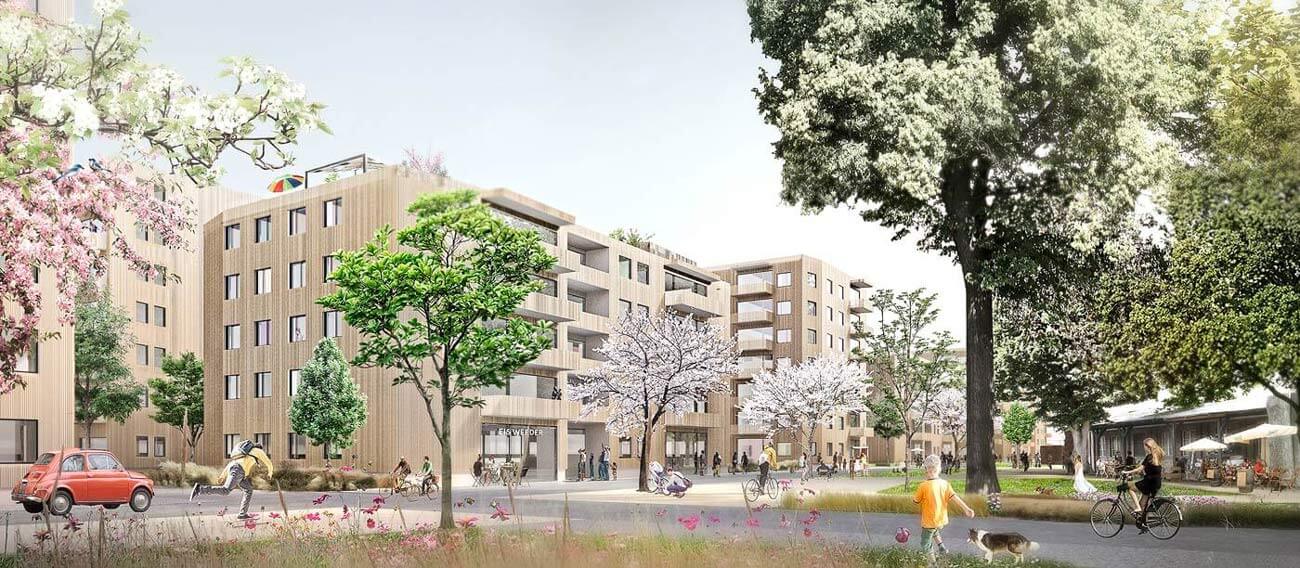
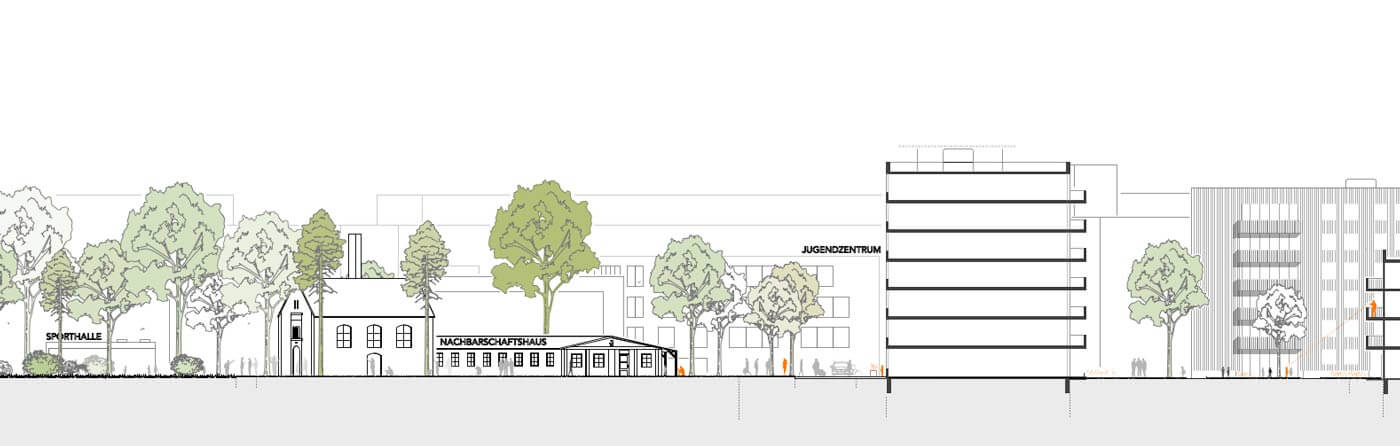
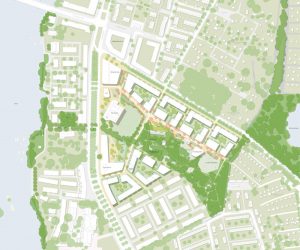
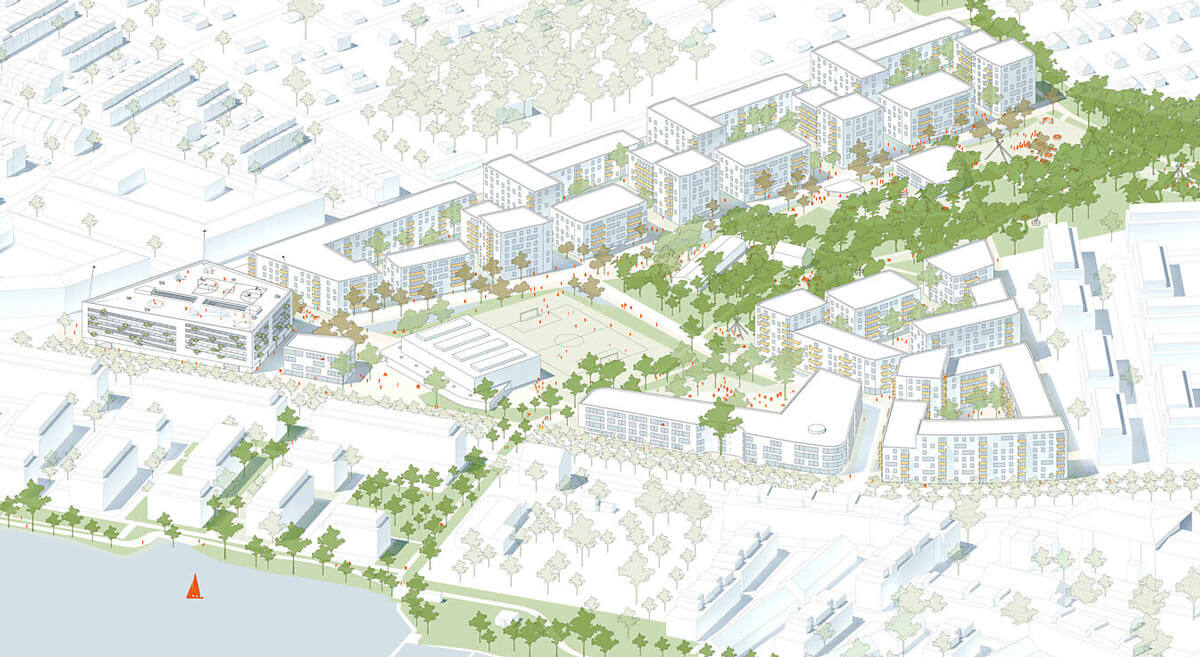
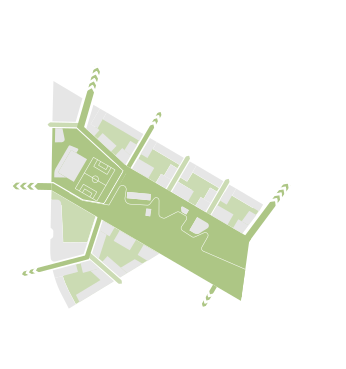
The centrally located city forest is supplemented by public and communal uses and represents the green centre of the new quarter. Here all paths converge. Listed buildings, kindergartens and leisure facilities are all situated in “clearings” under the trees. Each plot is given an address next to the forest and the river Havel is not far away.

The plot has a lush public green area that covers approx. 25% of the land. It consists of two different typologies of open space: The protected area, minimally accessed by open-pored paths, and kept in as close a state to nature as possible. Only two listed buildings and some playgrounds are located here. Outside the protected biotope a wide boulevard along the edge of the forest offers space for public use.

The urban design subdivides the building masses into individual building plots, creating different neighbourhoods. Each neighbourhood has its own character and consists of a linear block, a tower and a city villa, offering different residential typologies.

The deliberately chosen “hybrid typology” charmingly combines the advantages of urban inner-city blocks and open linear and solitary buildings. Semi-private, sunny and ventilated courtyards, which offer protection against noise from the adjacent streets, are created.


Urban planning realisation competition


Program: Car-free living and subsequent residential uses, 10 Ha

Location: Berlin-Spandau, GER

Year: 2018

Client: GEWOBAG

Team: Therese Granberg, Joachim Schultz-Granberg, Tobias Birkefeld, Daniel Heuermann

Partners: Ludloff Ludloff, Herrburg Landschaftsarchitekten, EIBS GmbH Verkehrsplanung


SSG OHV Spandau Schnitt

Living at the park

SSS OHV Spandau Boulevard-2

siteplan

residential courtyard

concept

green network

mobility

plots

sealing and unsealing

rainwater management

SSG Spandau Modell


related projects
Conversion Oxford-Barracks, Münster

Affordable Living – Exhibition

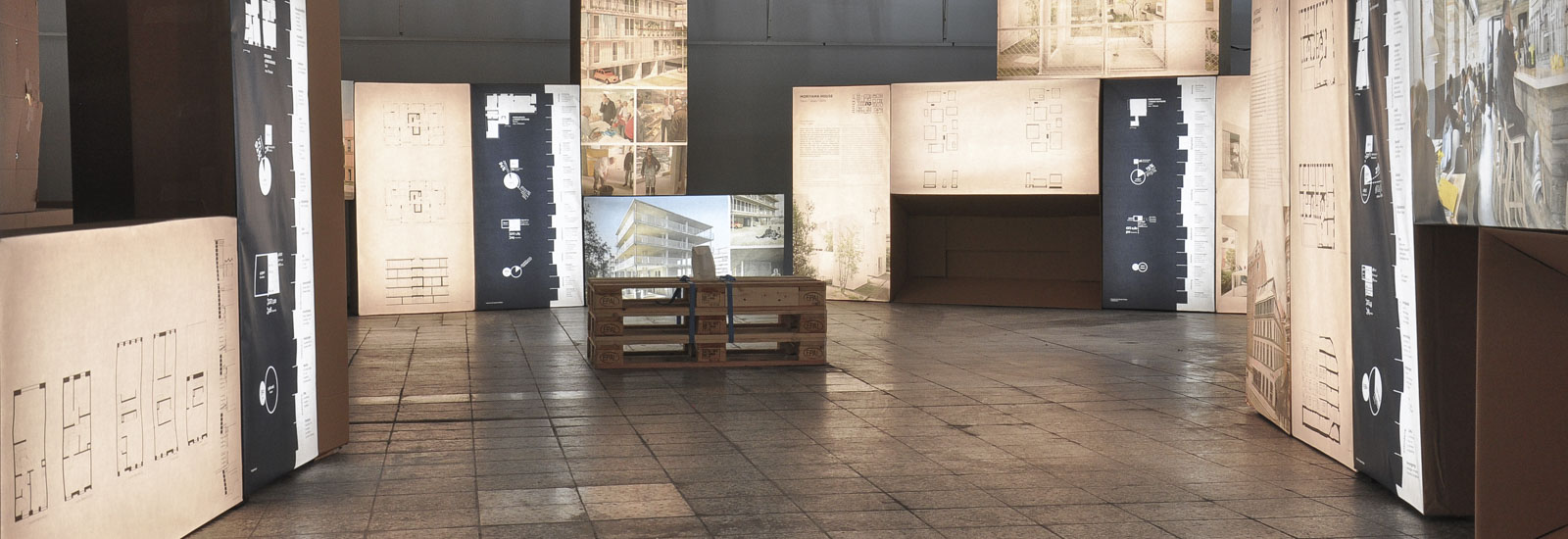
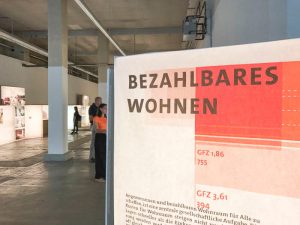
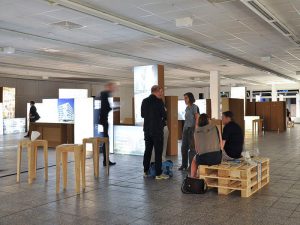
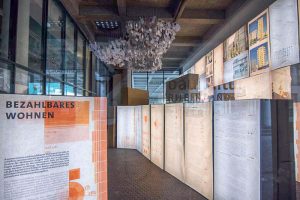
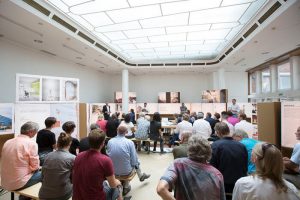
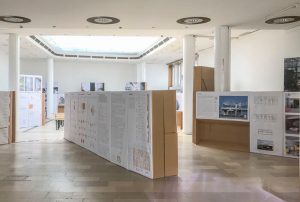
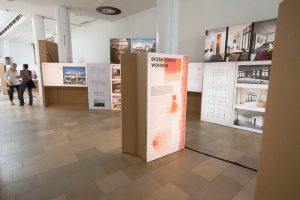
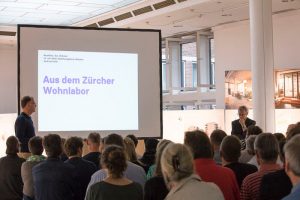
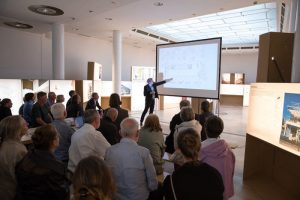
The exhibition and symposium programme “Bezahlbar. Gut. Wohnen.” (Affordable Living) describes, explains and discusses strategies and methods for the creation of affordable housing that meets demand. It was created in cooperation with AIT Architecture Salon. The contents were taken from the books Affordable Housing (2014) and Bezahlbar. Gut. Wohnen (2016) published by Jovis Verlag and have been collected, edited and summarised especially for the exhibition.

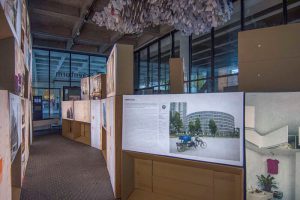
The contents are mounted, backlit and displayed as large-format plans on the ‘Affordable Box’ developed by Johannes Schilling. The boxes are a simple and efficient construction made of corrugated cardboard with integrated lights and measure 180x85x35 cm.

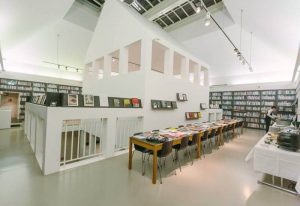
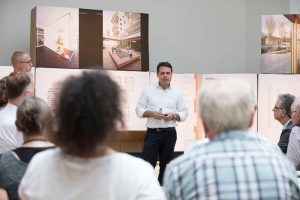
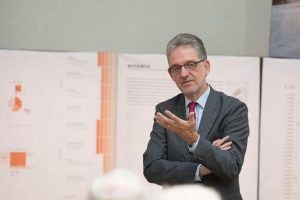
The travelling exhibition touring Germany is accompanied by theme-related symposia with lectures and discussions. In addition to the theoretical background, the exhibition showcases examples of successful projects. Such examples are intended to provide concrete illustration of the problems, potential and interdependencies that different approaches entail and how they impact everyday living. The starting point for the project is the analysis of a number of outstanding examples of recent building history with practical hints and suggestions for new project planning taken from the book Bezahlbar. Gut. Wohnen.


Concept and Curation: Klaus Dömer, Joachim Schultz-Granberg

Sponsor: AIT ArchitekturSalon Hamburg, Director: Kristina Bacht, Coordinator: Myriam Fischer

Conception of exhibition boxes: Johannes Schilling

Layout: David Peralta

Contents: Klaus Dömer, Hans Drexler, Joachim Schultz-Granberg


Stations: HO Berlin @ Make City Berlin (June 2015), AIT Architektursalon Köln (August – September 2015), AIT Architektursalon Hamburg (December 2015 – January 2016), Die Chapel in Heidelberg (June 2016), Zentrum Baukultur Rheinland-Pfalz in Mainz (April – Mai 2017), Stadthausgalerie Münster (June – July 2018), Zentrum für Baukultur Sachsen (ZfBK) Dresden (July 2018), Tapetenwerk Leipzig (September 2018), ZfBK @ Das Tietz in Chemnitz (October – November 2018)


Related projects
Publication “Bezahlbar. Gut. Wohnen”

Design Guidelines

Idea, plan, reality. The aim of this handbook is to ensure the quality of the guiding principles of urban development that are represented in the master plan and about to be implemented. The rules developed show a series of principles that serve the common good within the new quarter, the community in the courtyards, around issues of sustainability and functionality as well as technical features.

The design guidelines developed are a collection of principles that are addressed to all those involved in the further implementation process. These guidelines enable the evaluation of concrete building projects, are the basis for the awarding of competitions and multiple commissions, assist with the selection of winning concepts and, finally, represent an offering to all those involved in the subsequent realisation process. One can take the ideas on board and implement them, while at the same time remaining open to individual solutions. To use the words of Luigi Snozzi: “Any of the rules can be broken if the project is better than the rule”.


Design manual


Location: Münster, DE

Year: 2017

Client: City of Münster

Team: Joachim Schultz-Granberg, Therese Granberg, Max Rudolph, Martin Dennemark

Partner: bbz landschaftsarchitekten berlin


Associated Masterplan
Oxford-Kaserne


The city of ‘AND’

The city brims with life and diversity. Vreden is a city of 12,000 inhabitants on the Dutch border, whose future should not be constrained by traffic calming regulations. It is all about a balance of activities taking place, a culture of vital coexistence – the ‘AND’.

The southeast inner city of Vreden is part of the urban texture whose character is quieter and more anonymous than that of the central market square. Gaps between buildings, inconspicuous or missing addresses, unused corners and public space in need of regeneration allow for an upgrade through selective interventions. A catalogue of combinable measures provides for improvements in the following areas: structural additions, restructuring of both moving and stationary traffic, activation of space and organisation of remaining areas and underused locations.

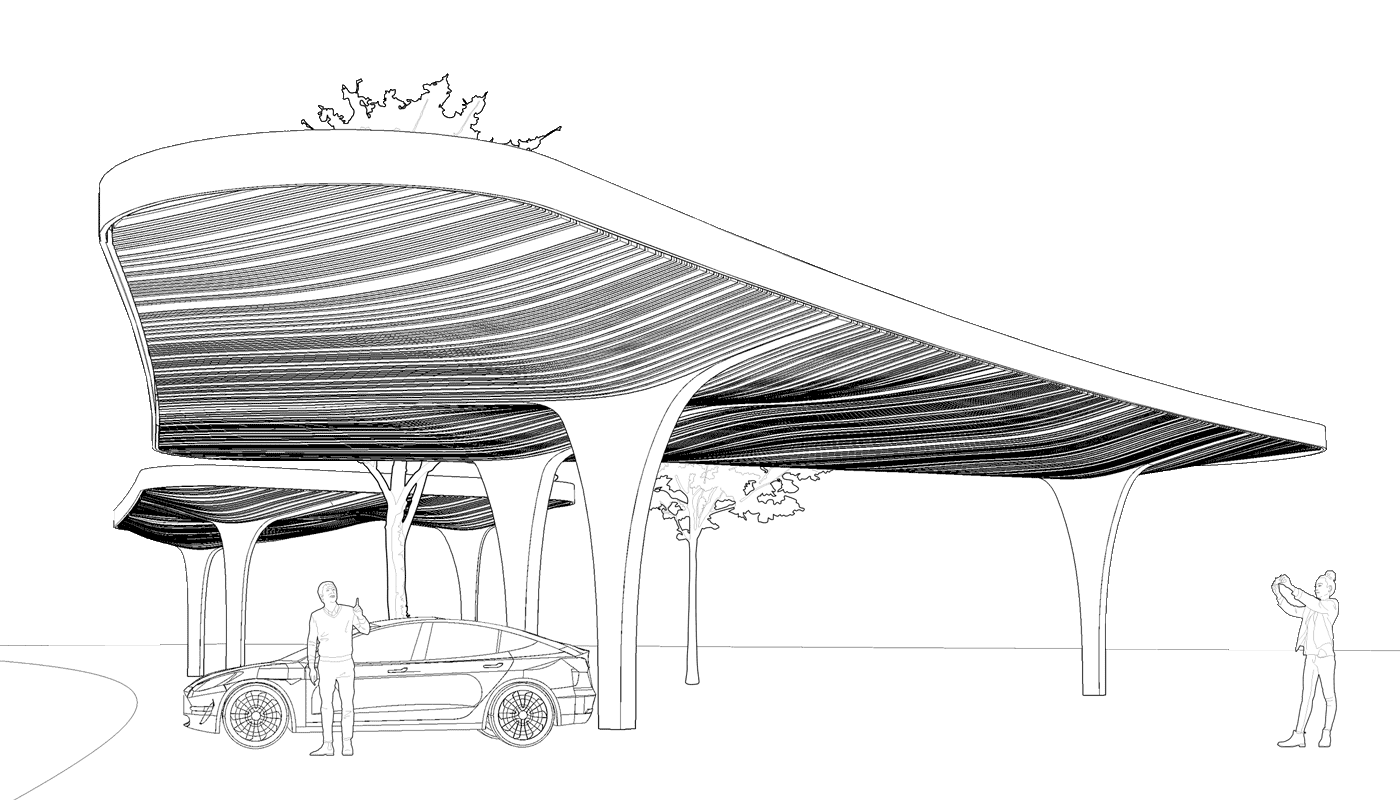
The Dome Square plays a key role as a central public space in the southeast inner city. It is easily reached and offers at the same time access to the central market square and to the city’s sights located there. A public structure with a roof marks the Dome Square as a point of articulation and orientation and offers space for the integration of mobility functions.


Public Space Design


Program: Development of mission statement, typologies and design ideas, 5 ha

Location: Vreden, GER

Year: 2017

Client: City of Vreden

Team: Joachim Schultz-Granberg, Therese Granberg, Daniel Heuermann, Marlen Lulu Sartorius


Strategic Plan

public roof

public roof

park hybride

active groundfllor

city entrance

related and continuing projects
Planning Domhof Vreden


White House

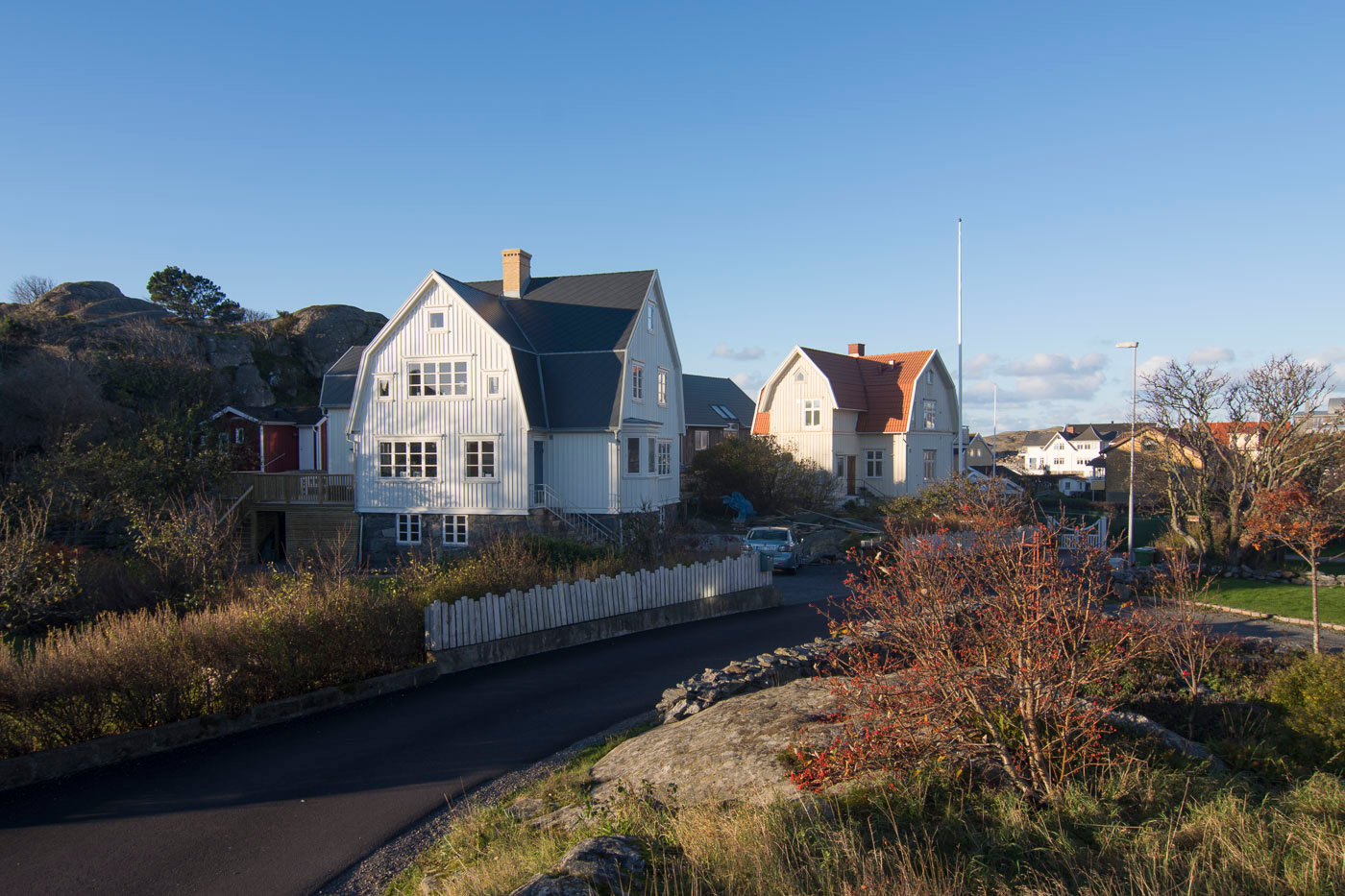
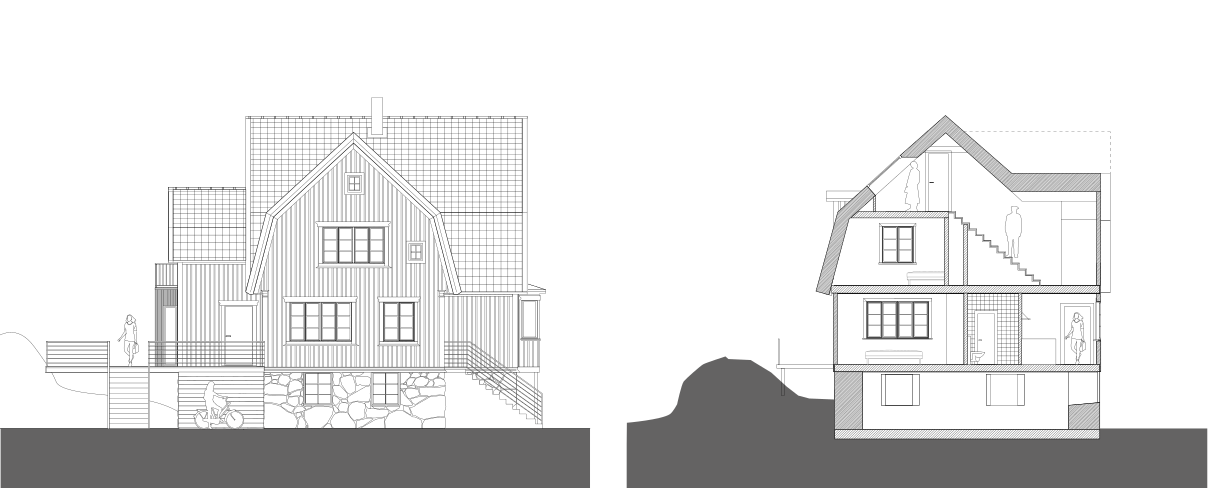
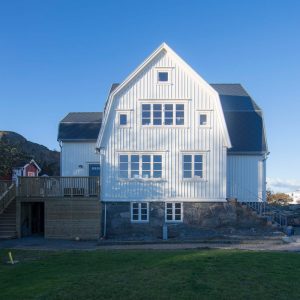
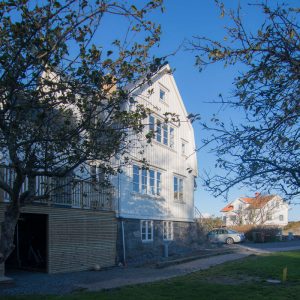
The traditional Swedish West Coast architecture from the beginning of the 20th century is notable for its massive stone base. The architecture at this time was inspired by Art Nouveau and is characterised by a large mansard roof with a chimney at the top and the discreet but well-made wooden profiles of the façade.

The house was originally built for the extended family, a tradition that has been maintained to this day. The ground floor, with its thick stone walls made from boulder stone, offers space for a small joinery, a wood fired oven for baking, a laundry room and additional beds for guests. The massive wooden walls make the building very stable and wind resistant. In the ‘50s the house underwent a rough renovation and was, due to lack of money and expertise, robbed of many of its original exterior and interior details.

Due to the poor condition, the entire façade, roof and large parts of the interior had to be changed. Original details have been restored and traditional materials have been used when possible. The result combines the spirit of century-old architecture with modern standards and contemporary needs.


Renovation and reconstruction


Location: Hönö, SE

Year: 2016 – 2017

Client: privat

Team: Therese Granberg, Joachim Schultz-Granberg


SSG Weisses Haus Ansicht Schnitt

further houses
Haus Caputh

House Caputh

SSG Lageplan Haus Caputh

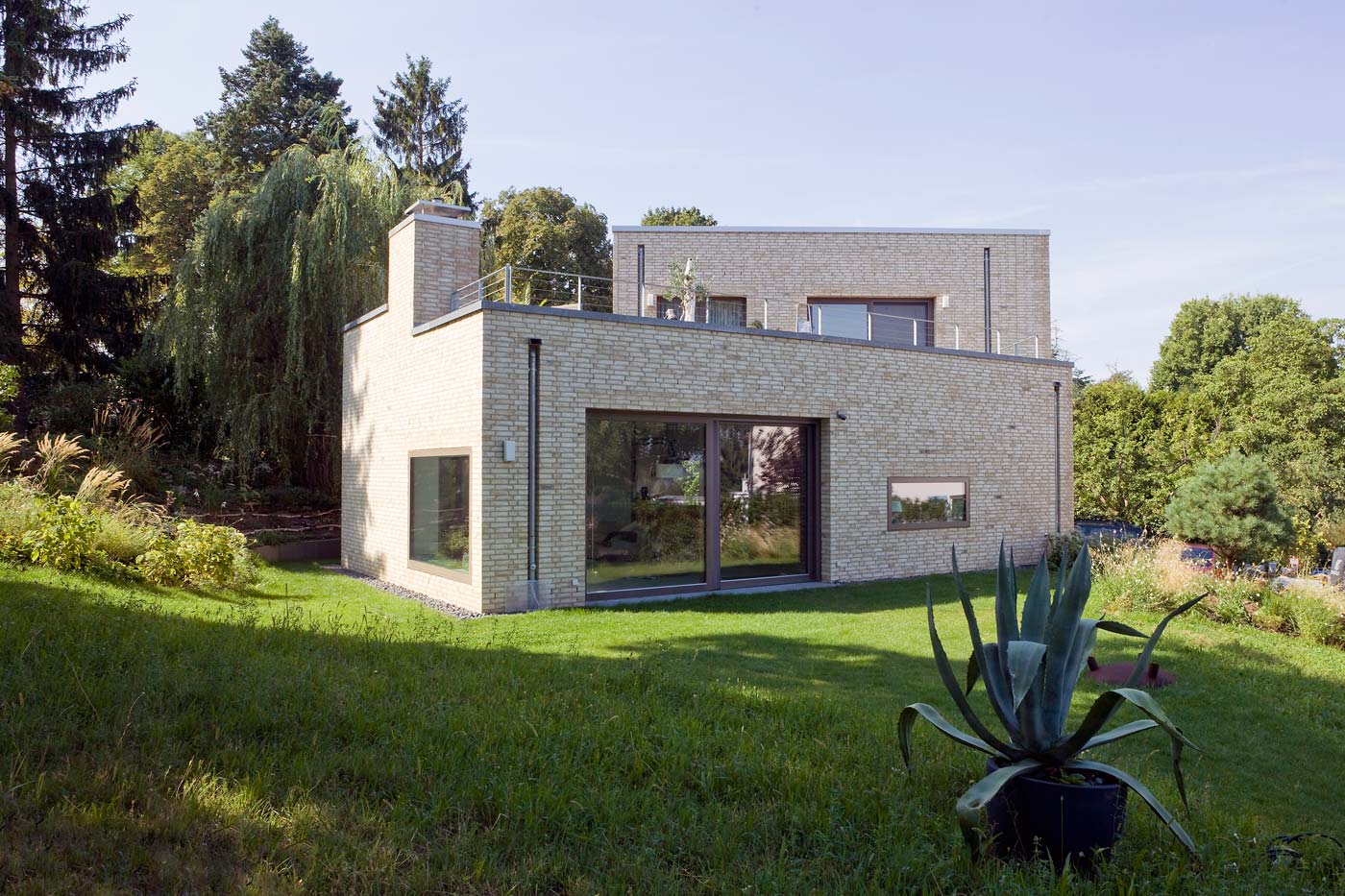
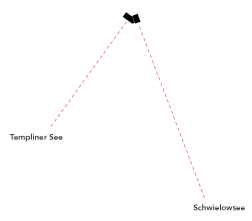
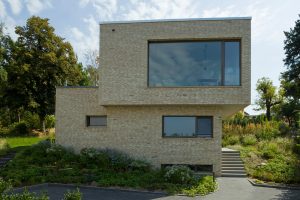
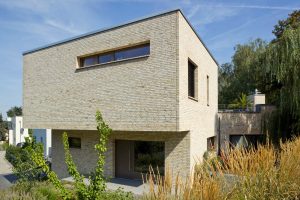
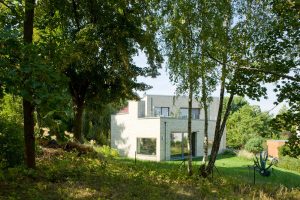
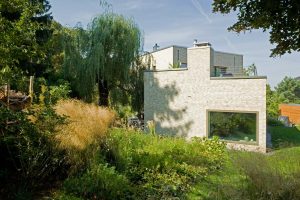
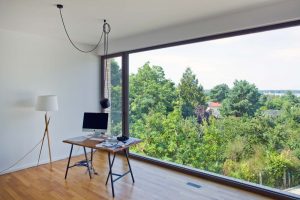
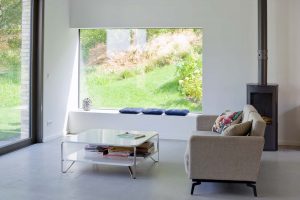
The house is situated in Caputh, not far from the city of Potsdam, in the middle of the Brandenburg Lake District, which is formed by the Havel River. From an elevated position on the northern slope, an extensive panorama of the Havel Lake opens up. The shape and orientation of the house allow views of the lake landscape from the rooms on the upper floor and from the adjoining terrace. The staggered cubic structures form protected and open areas on the inside and outside, generating versatile references to the garden and the adjoining nature reserve.


Location: Caputh, GER/rot]

Year: 2014 – 2017

Client: privat

Team: Therese Granberg, Joachim Schultz-Granberg

Partners: häfner jiménez betcke jarosch landschaft, Ehrlich+Friedrich (LPH 05-08)


further houses

White House