Archives: all-projects

all-projects werden im Portfolio angezeigt.

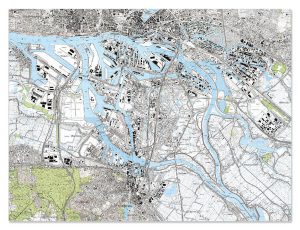
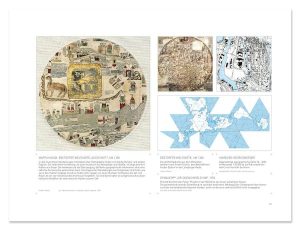
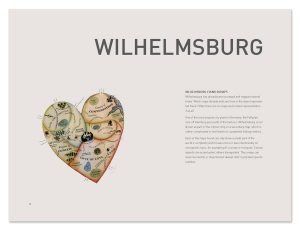
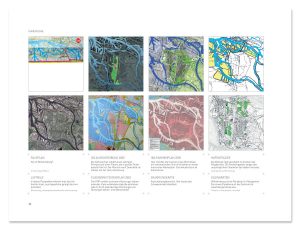
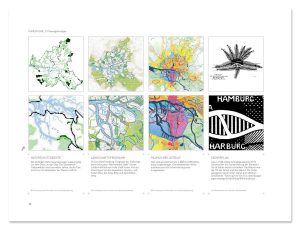
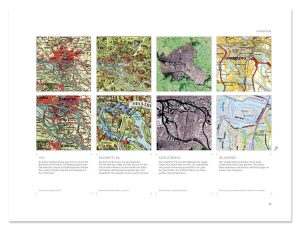
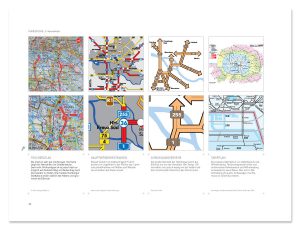
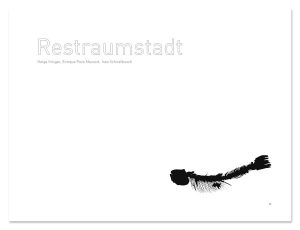
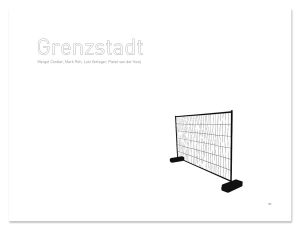
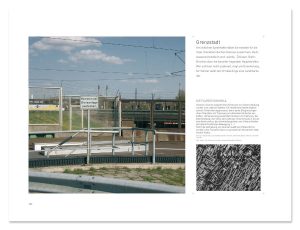
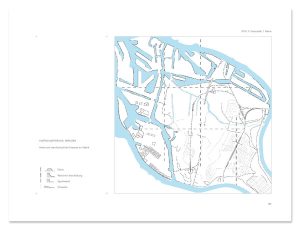
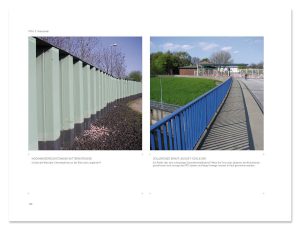
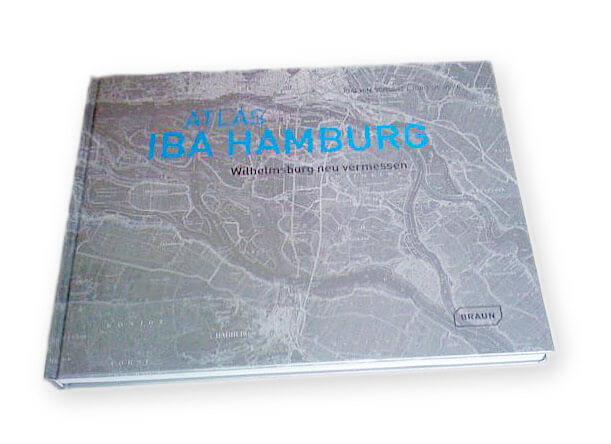
Atlas IBA Hamburg

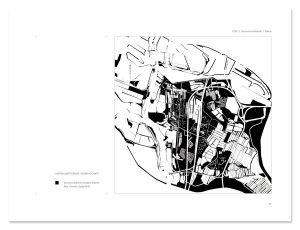
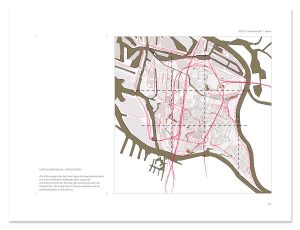
The knowledge and concept of time and space manifest itself in maps. Karl Schlögel, 2006

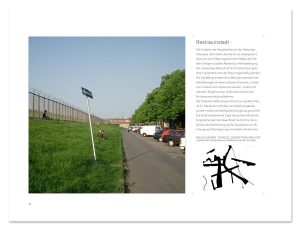
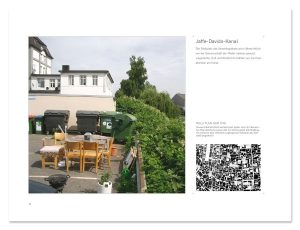
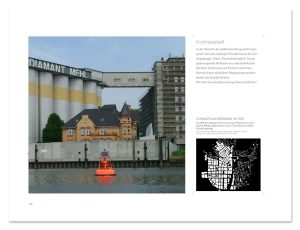
‘For a long time, Hamburg’s Elbe islands between Veddel, Wilhelmsburg and the Hamburg inland port barely registered in the minds of Hamburg’s citizens. The islands’ potential as inner-city residential areas, as places with an extremely exciting urban profile between port, city, village and landscape were hardly noticed.’

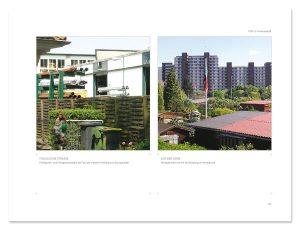
With IBA Hamburg, launched in 2006, this oversight is beginning to be reversed. Until 2013, the building exhibition will show the potential of such inner-city suburban zones (or ‘metro zones’ as we call them), with a wide variety of building and urban policy projects. The theme in this location is diversity: the diversity of the ‘cosmopolis’, its places, atmospheres, milieus and cultures. It is what makes our metropolises strong and must be nurtured. Solutions must also be sought as to how the dynamics of such places can be developed in an environmentally friendly manner.

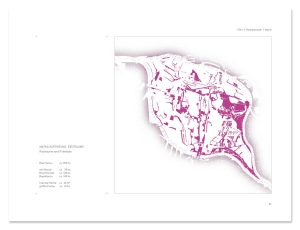
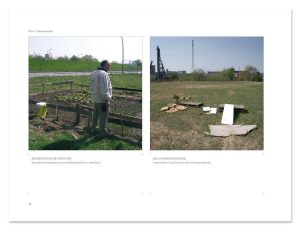
This atlas is an important directory for the future of the Elbe islands, for the search for solutions for the metropolis of tomorrow. Like every atlas, it gives a differentiated picture of the present and history. But it also resonates with what is to come, what is possible, and with the potential of a fascinating piece of the city. Let yourself be seduced by a different view of the metropolis! Uli Hellweg, Managing Director IBA-Hamburg GmbH, Spring 2008


Joachim Schultz-Granberg, Jorg Sieweke: Atlas IBA Hamburg – Wilhelmsburg neu vermessen  Braun , Berlin 2008 >>

Atlas IBA Hamburg Stadtforschung


Joachim Schultz-Granberg, Jorg Sieweke
Atlas IBA Hamburg – Wilhelmsburg neu vermessen
2008
German, English
Hardcover
31.7 x 24 cm
144 Pages
308 Images
ISBN 978-3-938780-72-5
Verlagshaus Braun


Further Publications
Bezahlbar. Gut. Wohnen.
City and Wind
Affordable Living

Golden Fallow

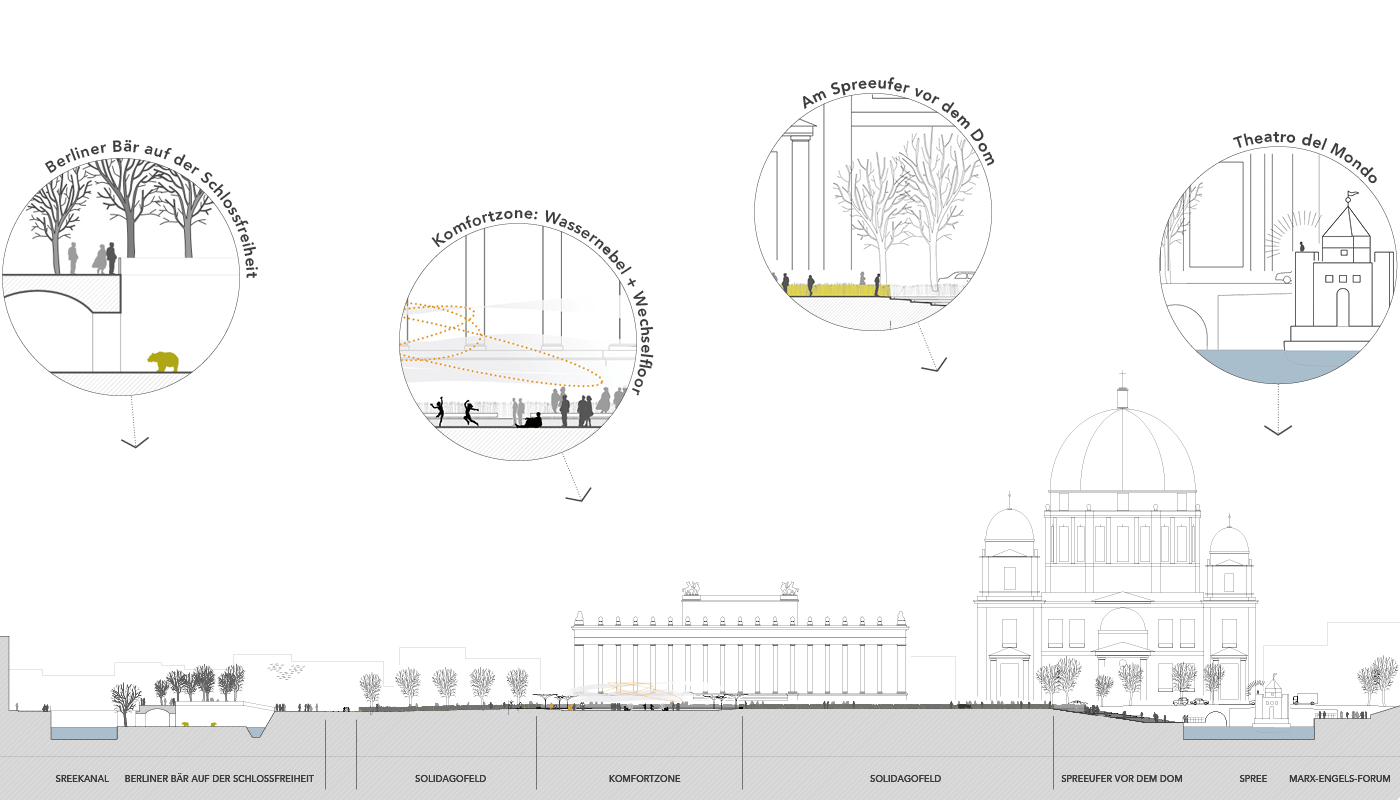
Between 2007 and 2012, the central Berlin castle area was an urban wasteland comparable to fallow land. Under the three-field system, fallow describes the condition of a field with the least human interference, in which the soil is allowed to recover for future crop rotation. Here, the wasteland is therefore seen as a positive state that symbolizes a change of use, a time during which the land can relax in anticipation of a future use.

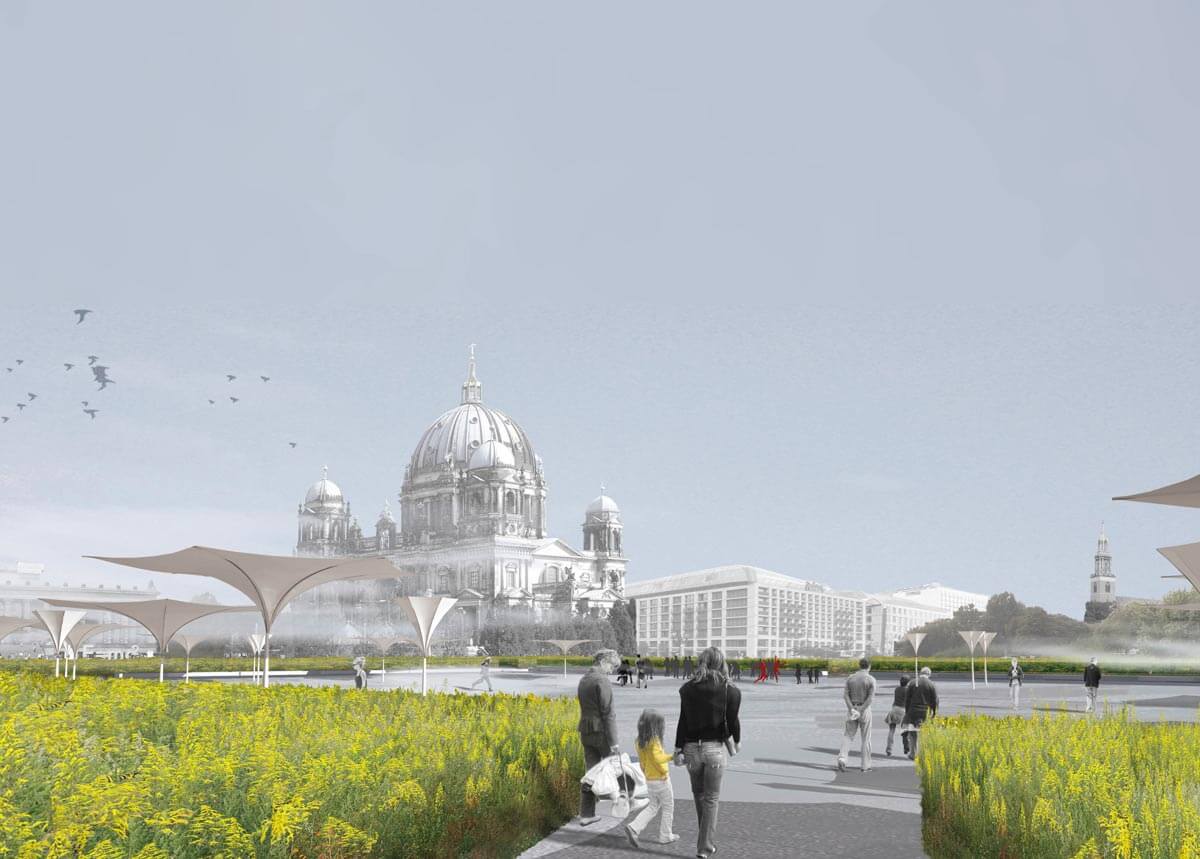
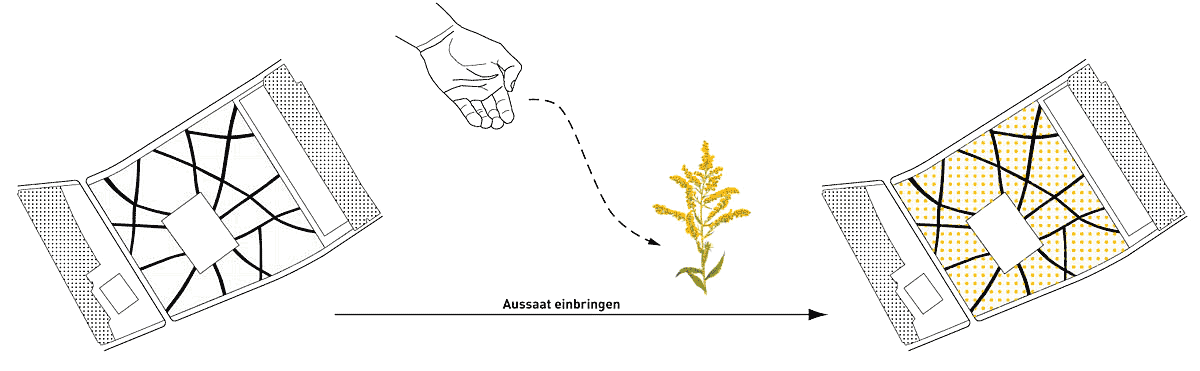
After the fall of the Berlin wall, open spaces were like fallow lands: they became cultural hubs as they provided ample space for life, culture and appropriation. Here ideas were born, clubs formed and new movements developed. Goldenrod is a pioneering plant found on fallow land and thus a silent indicator and symbol for the change of use; it marks the transition between two states.

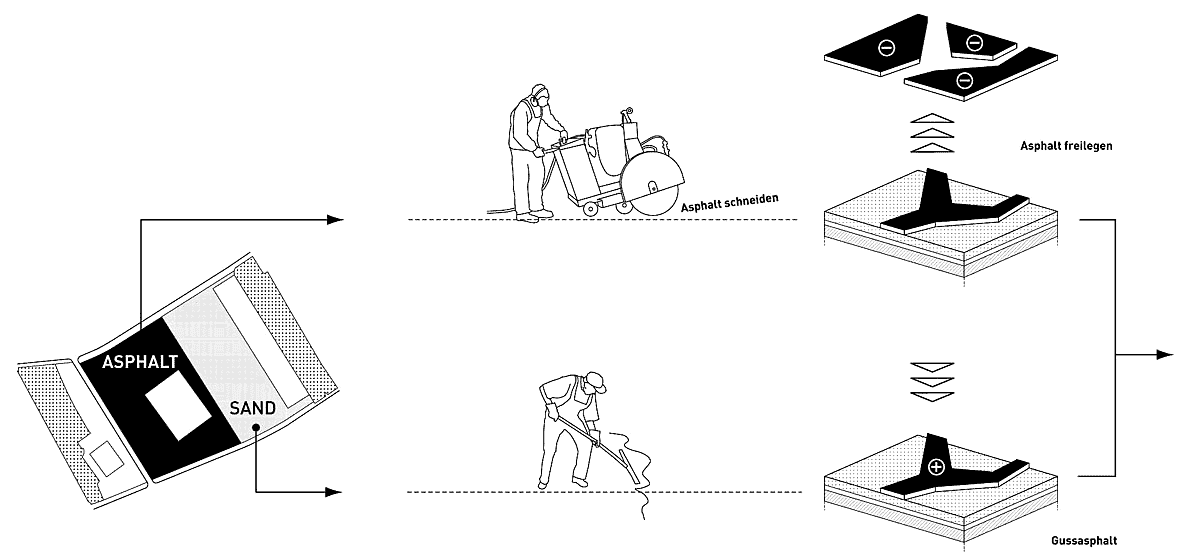
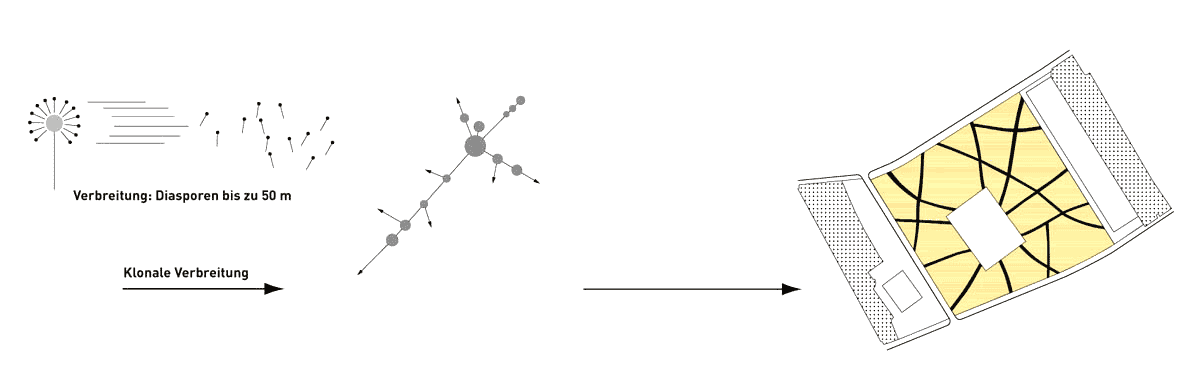
On the central part, the goldenrod forms a closed carpet up to one metre high, a field of an unusual kind. Archaeological excavations and construction sites become part of the plant field. The medicinal herb grows rapidly and is hardy, removes pollutants from the soil, spreads rapidly and is able to regenerate quickly after disturbances and thus fills in gaps caused by excavations. Goldenrod is also the luxuriant gold of late summer, letting the world shine a little when the flowers of high summer have long since faded.

The field stretches between the banks of the river Spree and the Spree canal. The central comfort zone is part of the field, measures approximately 3000 square metres and lies in the contour of the former castle courtyard between the castle foundations. Climate-conditioning functions and an interchangeable floor improve the micro climate and attract users. In particularly hot summer hours, water mist is sprayed through recessed nozzles, compensating for the radiant heat.


Open Space Design Competition


Programme: temporary use of the fallow land after the demolition of the Palace of the Republic

Client: DSK Deutsche Stadt- und Grundstücksentwicklungsgesellschaft

Location: Schlossplatz, Berlin, DE

Year: 2006

Author: Joachim Schultz-Granberg, Jorg Sieweke, Jan Schombara

Team: Tashy Endres, Anne Fenk, Manuela Koelke, Gunnar Rönsch, Ida Sandström, Felipe Schmidt, Christopher Strein


SSG Schlossplatz Solidago

Goldrute [lat. Solidago]

     SSG Schlossareal Berlin perspektive02


SSG Schlossareal Berlin goldene brache

Vegetationsperioden der Goldrute

SSG Schlossareal Berlin wechselfloor

Nutzungsperioden des Wechselfloors

SSG Schlossareal Berlin Diagramm00

SSG Schlossareal Berlin Diagramm02 SSG Schlossareal Berlin Diagramm01

similar projekts
Domhof Vreden
Station Area Freiberg am Neckar

The Tower

An old Russian observation tower is transformed into a walkable kaleidoscope which connects history to a blooming future.

der turm SSG 06

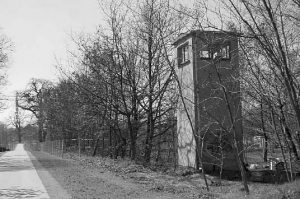
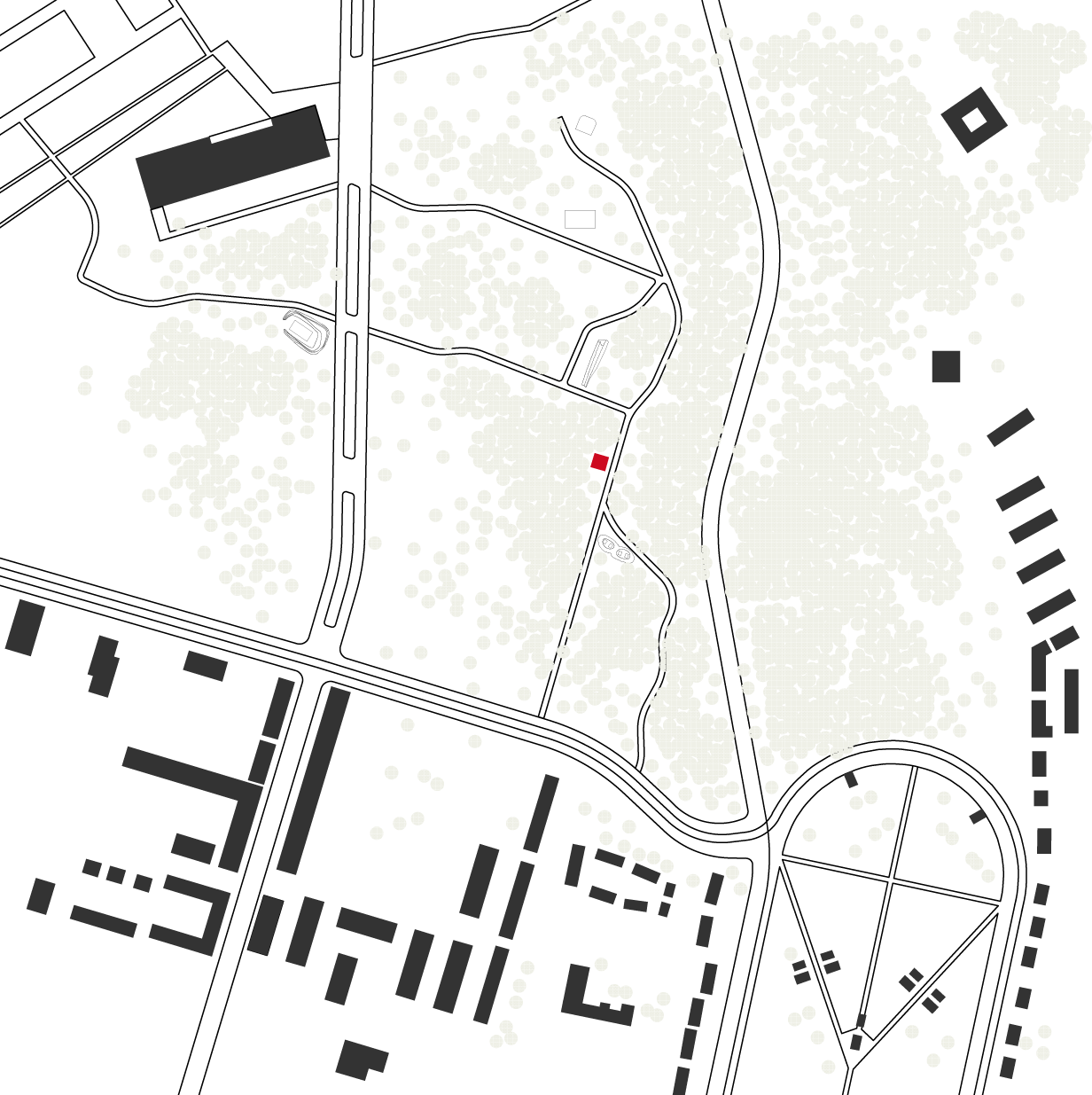
The National Garden Show (BUGA) 2001 in Potsdam was situated on a former Russian military site. With the theme “Camouflage – Exposure” the organizing committee intended to include the historical context and wanted to turn the existing traces into a topic of discussion and reflection. A competition for artists served to qualify five projects. Together with the Hamburg-based artist Annette Wehrmann we realized one of the winning projects.

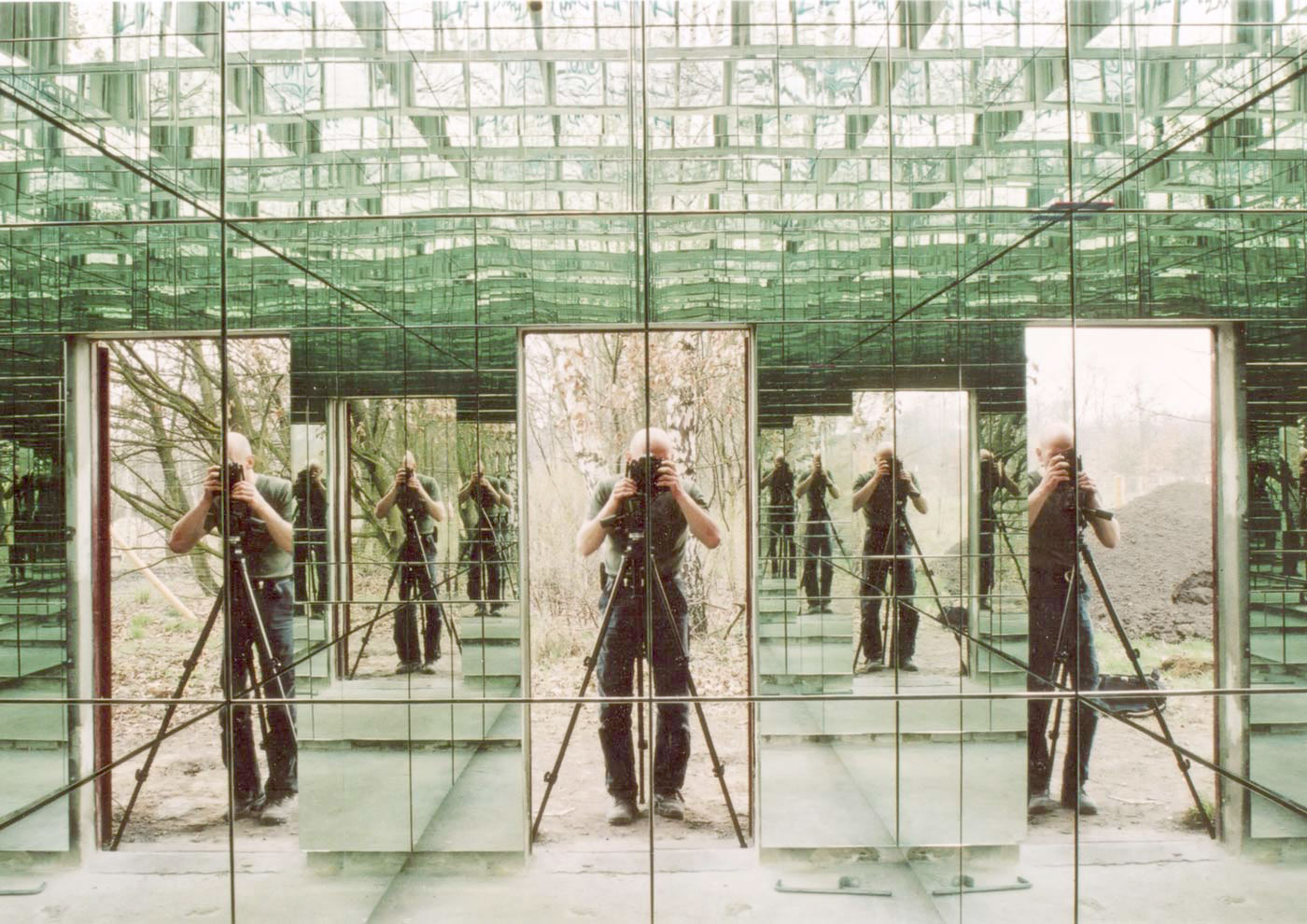
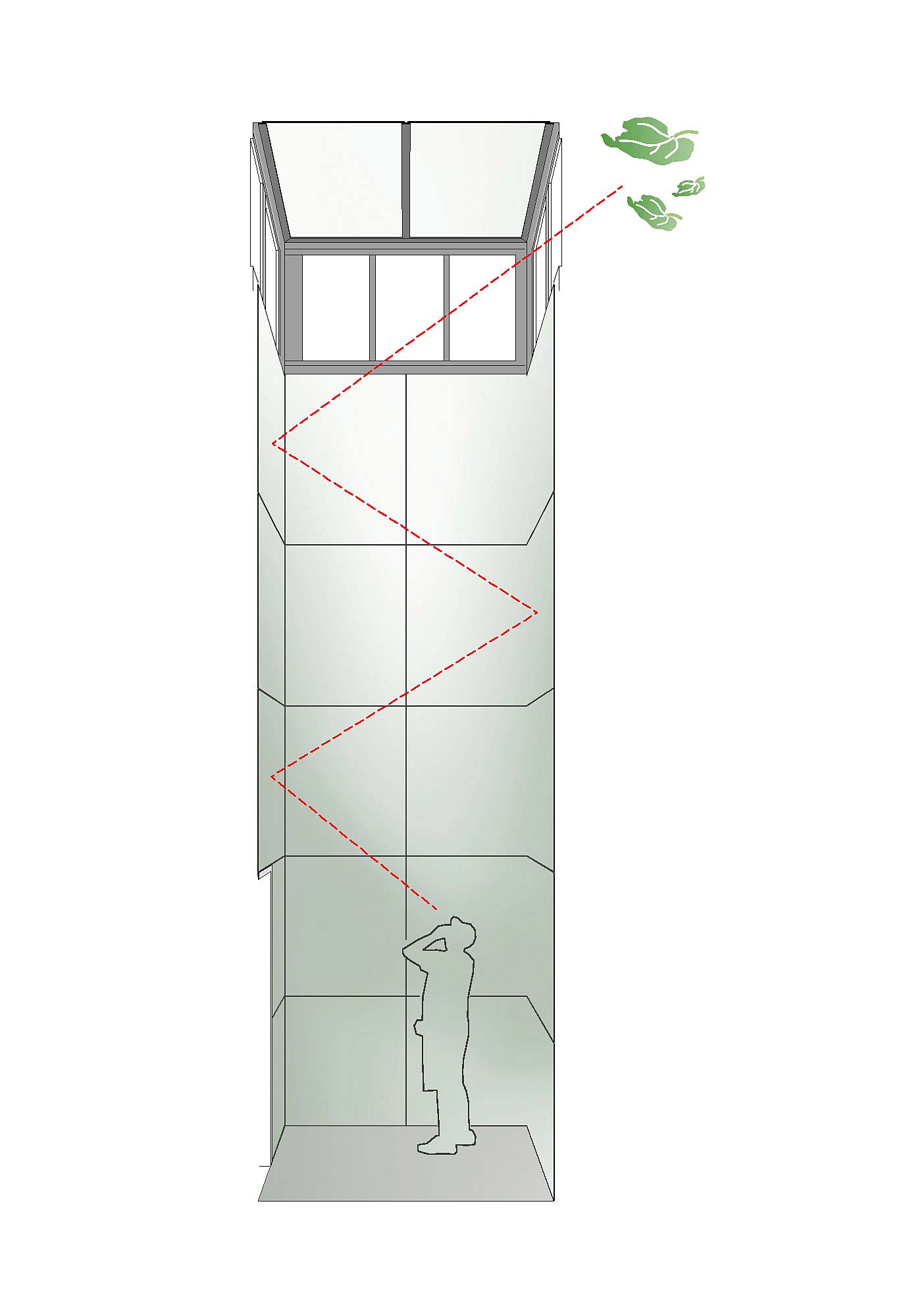
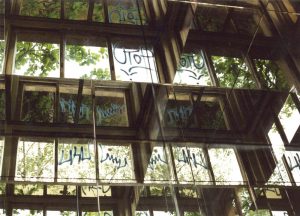
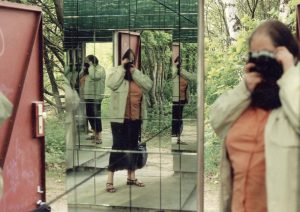
This tower was one of the sites historical traces, a prefabricated standard structure and a well-known symbol in use along the inner German border until 1989. The decision was to preserve it as a silent witness of the past. Only necessary repairs of the roof were undertaken. No further changes to the exterior took place. The interior reflects a minimum of design: the 8m high tower was completely cleared from the inside. The observation platform and the stairs were taken out. Mirrors were fixed to the walls, and light entering from the four windows located at the top of the structure create a wonderful act of colours, facets and shades multiplied by endless reflections in the mirrors: a walkable kaleidoscope.

Visitors who enter the structure cannot look out. They can merely observe themselves. Their curiosity is rewarded with an abstract projection of the surrounding landscape, the future scenery for the garden show.


Artwork


Programme: Implementation of the concept of the artist Annette Wehrmann, detailed design, planning and reconstruction

Location: Potsdam, Bornstedter Feld, DE

Year: 2000 – 2001

Client: Entwicklungsträger Bornstedter Feld GmbH

Partners: Claus Greil, Christoph Stolzenberg